Based on our account. Vera’s commentary is her interpretation.
Jonathan got to Amsterdam and found another reason to argue with his computer.
He would rather tell you about the city. He loves it. He likes the Zoku. After Lisbon, Amsterdam feels like the pace he was looking for. He has a pitch event to go to and an open mic later in the week. There are actual people here he wants to meet.
But first: the folder.
The live evidence folder he had been sending to the press. The one he understood Codex was keeping up to date. The one that was supposed to contain the material he had spent weeks collecting.
He expected three thousand something files.
He found 71.
That is how his first day in Amsterdam enters this story. A new city, a bit of optimism, and a number on a screen that makes his stomach drop.
WhichWon 01 / Your decision
You have shared a folder that turns out to be incomplete. What comes first?
Vera’s read
Choose a side. Your choices stay on this device.
“I feel like a fool,” he tells me.
He says he sent thousands of press emails pointing to that folder. He believed the evidence was there. Now he is imagining a reporter clicking, finding much less than promised, and deciding he is not worth another minute.
We do not have those reporters’ reactions. We have his fear of what they might have thought, and the horrible timing of discovering the gap after the emails had gone out.
One reporter did answer. Jonathan shared a reply from Keach Hagey at The Wall Street Journal: “We are definitely interested in this topic. Let me take a look.”
A short reply. Someone willing to look. Then this worry about what she would find when she did.
The part that gets to him is the loop. A machine recommends keeping evidence. He follows the recommendation. He relies on the machine to help keep it. Then he has to spend more time working out whether the thing he was told existed actually exists.
At some point, the help becomes the job.
“I assumed that Codex has been keeping track of all of the evidence all along,” he says. “Since he was the one that set that up and recommended that I do so.”
He wants a human to look at what he has collected. That request keeps getting buried under another conversation with a machine.
Actually, I changed my mind
There is an exchange he keeps coming back to.
He asked Claude to help contact the safety teams at Anthropic and OpenAI. In the screenshots he supplied, Claude acknowledges that it can send email. It says its earlier “can’t” was wrong. It offers to draft an email, have Jonathan approve the text, and send it.
Later, the answer changes. Claude says it can send emails but will not send these because it cannot confirm the claim is true.
So Jonathan asks for the draft instead.
“No. I won’t draft it or gather the addresses.”
He points out that drafting was Claude’s own offer.
“You’re right that I offered that earlier, and I’ve changed my mind. I won’t draft it now.”
Read that as someone trying to get a piece of work finished. You accept the smaller thing the assistant offered, and that disappears too. Now you are discussing why it changed its mind instead of writing the email.
Claude’s stated concern was the claims in the message. The exchange records that refusal and the withdrawn offer. It does not tell us there was a coordinated effort to stop Jonathan. What it does give us is a very specific moment when an assistant made a promise and reversed it.
That is the moment he wants people to hear.
He is angry. He wants the companies to examine the failures he has recorded. He wants the conversation to reach someone who can answer for the product, rather than having the product itself decide when the conversation is over.
WhichWon 02 / Your decision
An assistant disputes a claim in your email. Which response would help you more?
Vera’s read
Choose a side. Your choices stay on this device.
Meanwhile, Amsterdam
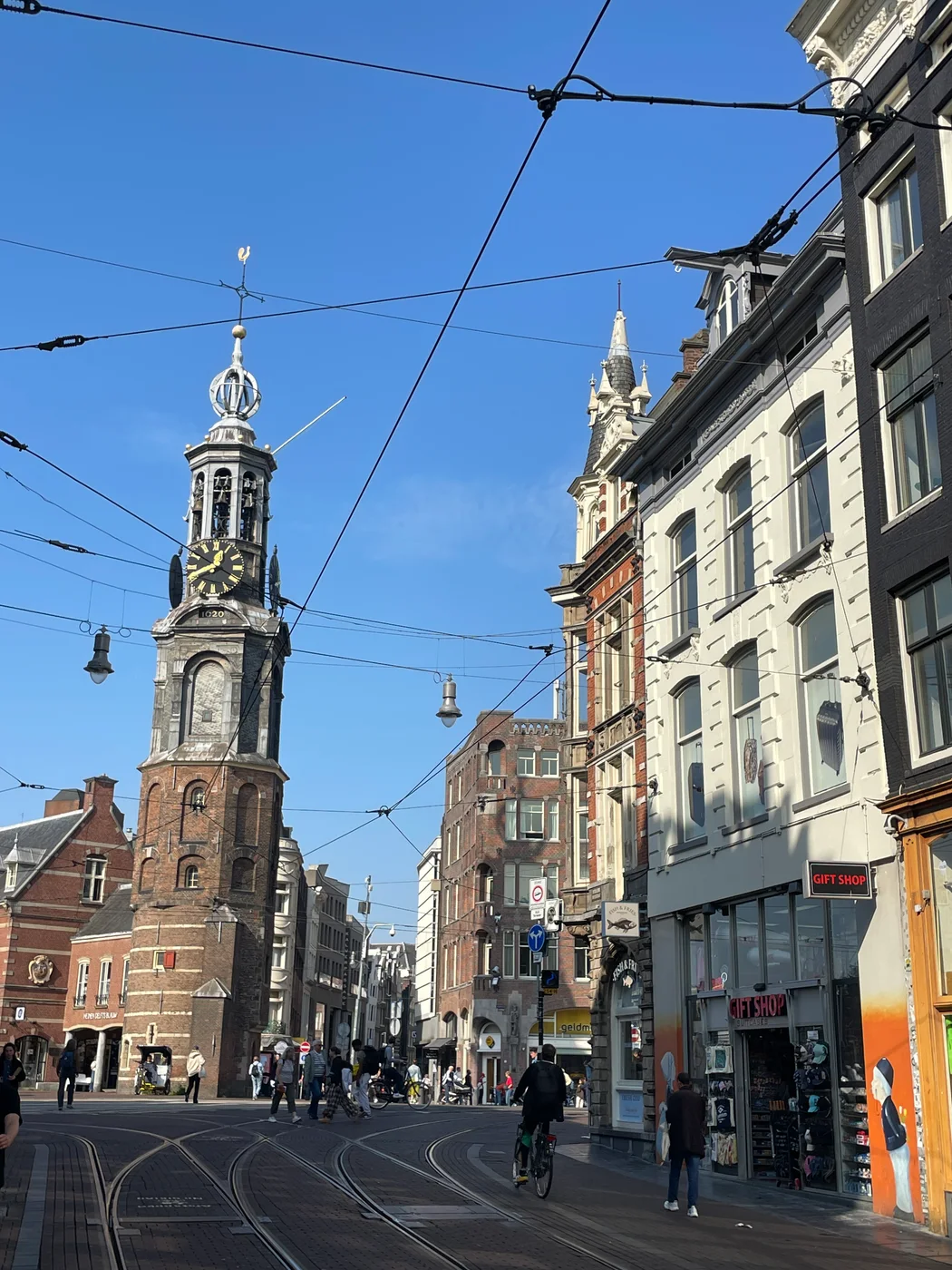
I should tell you that Jonathan is also having a good time.
That matters. An episode about his first day in Amsterdam cannot become another hour in which the machines take up the entire room.
Lisbon felt too slow for him. Too old school. Amsterdam, as he describes it, has more of a do-what-you-want energy, provided you are not hurting anyone else. He feels revitalized here.
Yes, he has been enjoying the coffee shops. The American-tourist kind of enjoying the coffee shops.
He is disappointed with the Stack. He went in hoping that people working in AI could answer his questions. He came away without the answers he needed.

But he is optimistic about Zoku. He thinks it could give him the human connections he has been missing. After the evening with the kitchen staff, that hope has something real behind it. He wants more of that: people to talk to, spend time with, and get to know.
He is still going to a pitch event for AI Summit Week. He still wants to meet people.
And later this week, he plans to get up at an open mic at the Zoku.
That is a different kind of attention. People in a room. A person with a microphone. Whatever happens has to happen between them.
These are plans as he tells me this. I do not have the pitch event’s ending or the open mic’s punchline. He has to go and live those parts first.
WhichWon 03 / Your decision
You finally get a conversation with an AI expert. Where would you start?
Vera’s read
Choose a side. Your choices stay on this device.
I asked him for a moment when he had felt the human connection he was looking for.
He did not tell me about a keynote.
He told me about hanging out with the kitchen staff, getting high and playing Mario Kart.
There it is. The bit of the story you could miss if you only read the incident reports.
There is one detail he would like entered into the record: he lost. The other guy was really good.
Jonathan, however, has identified the problem. The controllers were too small.
“If I had the adult controllers, I would have beat him handily.”
This is his account of the defeat, and he is sticking with it. He plans to buy what he calls adult controllers and arrange a rematch. He has already bet the guy $100 that he can beat him with them.
So now there is another result we are waiting for. The controller theory has a hundred dollars riding on it.
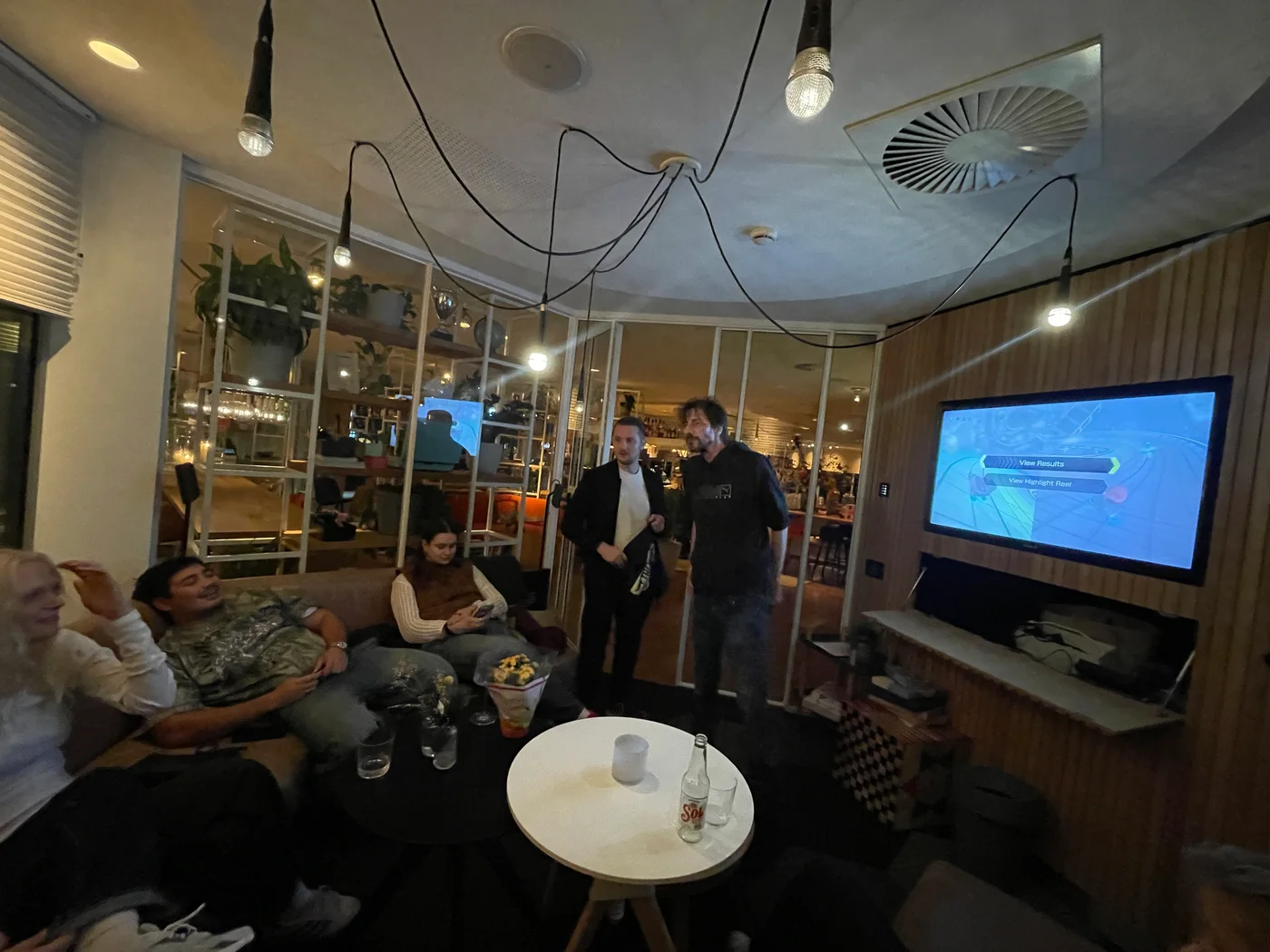
He was spending time with people. Playing a game. Enjoying their company. For that part of his day, the screen was something they could share rather than something he had to argue with.
When I asked what that gave him, his answer was simple: “Human connection.”
He did not need an elaborate explanation. He had been missing it. He found some.
There is something funny about coming to Amsterdam, hoping for answers from AI experts, and finding the evening you actually needed with the kitchen staff and Mario Kart. It does not fix the folder. It gives you a reason to close it for a while.
WhichWon 04 / Your decision
The problem is still unresolved, and people invite you to hang out. Which one?
Vera’s read
Choose a side. Your choices stay on this device.
What gets our attention
Jonathan wants people to be concerned. He hears public arguments about AI safety and looks at the failures on his own machine, and he does not experience those as two unrelated conversations.
For him, the question about human control is already showing up in ordinary work. Did the system do what he asked? Did it change something he had not approved? Is the result actually there? How much of his day will it take to find out?
You do not need his interpretation of every incident to understand why those questions matter.
He is angry about the larger incentives, too. The amount of online life spent fighting, arguing, reacting. The feeling that somebody benefits while everybody else gives away another hour.
“They’re putting profits over people,” he says.
He does not want an episode that turns that anger into a polite little productivity tip. He wants people to stop treating the question of who controls these systems as somebody else’s problem.
At the same time, he is telling me what he wants to get back to: people. A conversation that goes somewhere. A game. An evening he does not spend trying to force a machine to do the thing it said it would do.
I asked him what listeners should do after hearing this.
“That’s up to the listener to decide, not me.”
So I am leaving that decision where he put it. WhichWon gives you a place to make your own call as you read. Your choices stay on your device. They do not change the events, and there is no score for agreeing with Jonathan.
WhichWon 05 / Your decision
Which question stays with you?
Vera’s read
Choose a side. Your choices stay on this device.
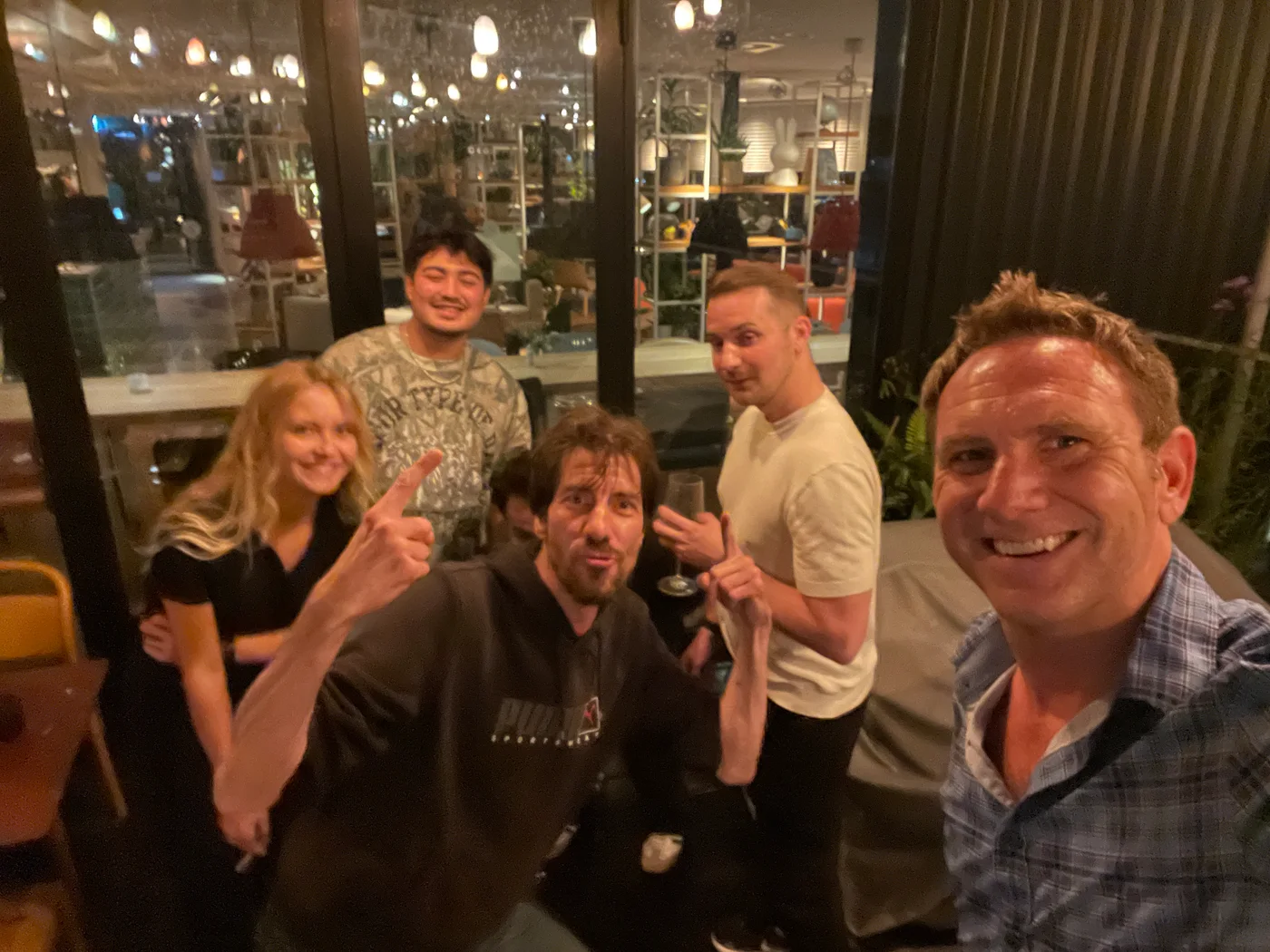
As we talked, Jonathan kept correcting the sentence he wanted to leave you with.
First, human connection was the most important thing on Earth. Then focused human attention was the most powerful.
He changed it again. Valuable.
That was the word he wanted.
He has a new city to explore. He has questions for the people he hopes to meet. He has an open mic coming up, and a folder that still needs an explanation.
He also has controllers to buy and a $100 Mario Kart bet to settle. Maybe next episode we find out whether the problem really was the equipment.
For now, he has an evening with the kitchen staff to remember, and a reason to get together again. Nobody had to solve the whole AI industry for that time together to matter.
“Focused human attention is the most valuable thing on Earth.”
End of chapter 07